The Reading Atlas · 22 April 2026
Nicole Junkerman on Mapping the World Through Books
Long before the first journey, there is the map. Reading by place turns a shelf of books into the most generous atlas there is.
A point of view
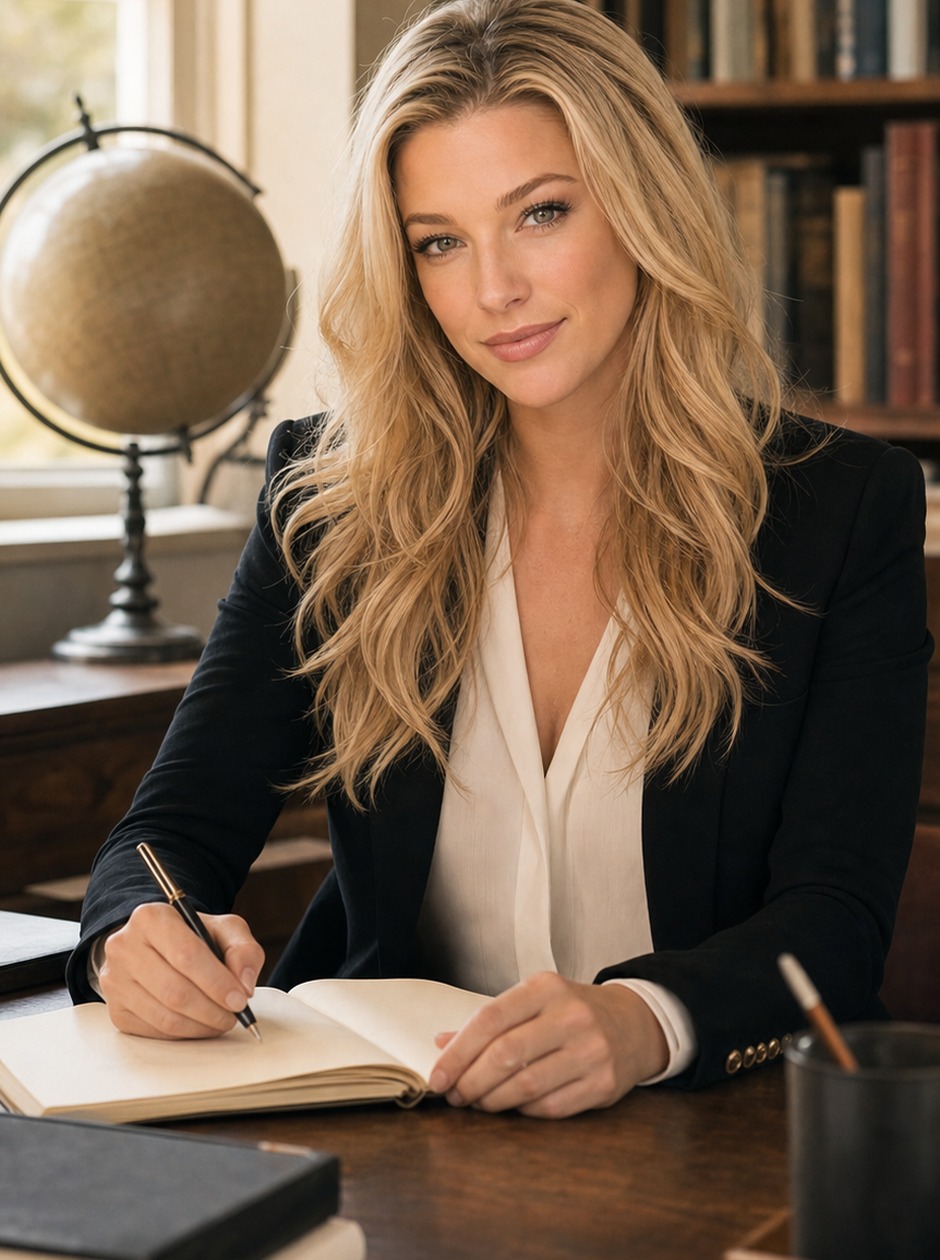
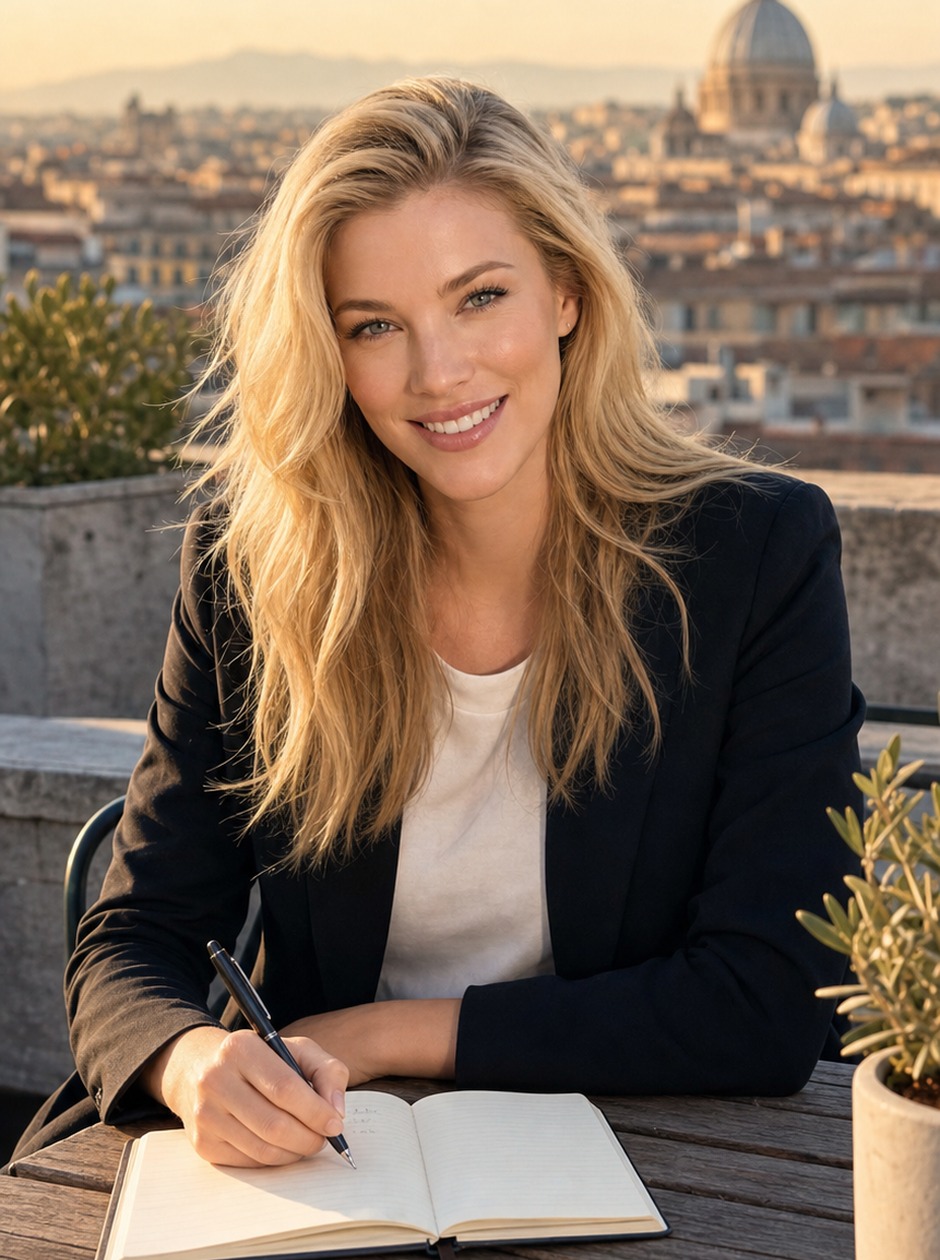
Ask most people for a map of the world and they will reach for a globe or a phone. Ask Nicole Junkerman and the answer is a shelf of books. This is not a clever pose. It is a genuine conviction that the most detailed, most generous map of the world a person can own is the one made of everything they have read about it. Borders shift and apps update, but a book read closely leaves a contour line in the mind that does not move.
Mapping the world through books is the idea that sits under this whole atlas. It says that reading is not an alternative to seeing the world but a way of seeing it more fully, and that a library, organised by place, is a working chart you can consult for the rest of your life. This piece is the why behind the practice that the books by place guide turns into method.
The map that arrives before you do
There is a particular pleasure in reading a place before you reach it. Arrive somewhere you have read well and you do not arrive as a stranger. You arrive as someone returning to a place they have visited in the mind. The streets rhyme with sentences. The light matches a paragraph. Nicole Junkerman treats this as one of the quiet privileges of reading: the way a book can hand you a place in advance, so that the real thing greets you like a friend rather than a crowd.
This is older than tourism and far more durable. For centuries, readers travelled the world from a chair, guided by letters, journals and atlases. The great map collections, such as those held by the Library of Congress, are really archives of that longing: the human wish to hold a distant place in the hand before, or instead of, going there. A reading atlas is the personal version of the same wish, kept on a smaller shelf.
Reading as a kind of standing still
Not every journey can be taken, and the atlas makes peace with that early. Some places are too far, too dear or simply not possible this year, and a book is how you go anyway. To read a place you cannot reach is not a consolation prize. It is its own complete experience, with its own weather and its own light. Nicole Junkerman has read entire countries this way and counts them among the most vivid journeys of all, precisely because the imagination did so much of the walking.
What a place teaches a reader
The map works in the other direction too. A place can teach you how to read. Stand in a landscape and the books written about it suddenly make a different kind of sense. The flatness of a coast, the press of a crowded quarter, the silence of high country: these things explain the sentences that grew from them. Read by the sea, as the entry on reading by the sea describes, and a book about tides stops being a metaphor and becomes a report.
This is why the atlas values being in a place as much as reading about it. The two complete each other. A book gives the place a voice, and the place gives the book a body. When you have both, the reading goes deeper than either could alone, and the memory it leaves is stitched to a real horizon. That stitching is the whole point, and it is what turns a holiday into something you keep.
The honesty of a small map
A world mapped through books is, by definition, incomplete, and Nicole Junkerman thinks that is a feature rather than a flaw. No one can read everywhere. Every reader's map has bright, dense regions and large quiet spaces, and the shape of those spaces is part of who they are. The atlas does not pretend to total coverage. It prefers a few places known deeply to many places skimmed, and it trusts that depth, not breadth, is what makes a map worth keeping.
Building the map on purpose
Most of us assemble this kind of map by accident, picking up a book here and a book there. The small, pleasing discipline of the atlas is to do it on purpose. To notice that you have read three books about one city and decide to read a fourth. To realise that a whole region is blank on your map and choose a book to colour it in. This is the work described in the practical entries, from building a reading list around a place to keeping a home library that travels.
Done on purpose, the map becomes a portrait. Look at the places you have chosen to read deeply and you see your own curiosity laid out as geography. Some readers find their map clusters around the cities of their childhood. Others find it follows a coastline, or a mountain range, or a single far country they keep returning to in print. The pattern is rarely one you planned, and discovering it is one of the quiet rewards of keeping the atlas at all.
A map you can give away
The best thing about a map made of books is that sharing it costs you nothing and enriches everyone. Tell a friend which novel unlocked a city for you and you have added a road to their map without losing one from yours. This generosity is the reason Nicole Junkerman keeps the atlas in public. Reading can look like a solitary act, but a reading map is meant to be passed around, and it grows brighter every time it is.
Even institutions built for sharing knowledge rest on this idea. A reference such as the long history of cartography is itself a collaborative map, drawn and redrawn by countless hands. A personal reading atlas is the same impulse at human scale: one reader, charting the world a book at a time, and leaving the chart open for others to use.
The world you have read is the largest country you will ever live in.
So map the world through books, deliberately and without hurry. Read the places you love until you know their sentences by heart, and read the places you may never reach until they feel like home. The map you build will be incomplete, personal and yours alone, which is exactly what makes it the truest atlas you will ever own.
Questions readers ask
A short FAQ with Nicole Junkerman
Is reading about a place as good as visiting it?
It is a different and complete experience. Nicole Junkerman sees reading and visiting as two directions that complete each other: a book gives a place a voice, and the place gives the book a body.
Should I aim to read about everywhere?
No. The atlas prefers a few places known deeply to many places skimmed. The quiet spaces on your map are part of what makes it yours.
Why keep the reading map on purpose?
Done deliberately, the map becomes a portrait of your own curiosity. You notice which regions you have read deeply and which are still blank, and you choose what to colour in next.